In the early days of digital marketing, a personalized email meant simply adding a customer’s first name to a generic template. Today, that level of effort is often ignored or deleted instantly.
Modern customers crave relevance. They want to feel that a brand understands their specific pain points, their industry challenges, and their personal preferences before they ever click ‘buy’.
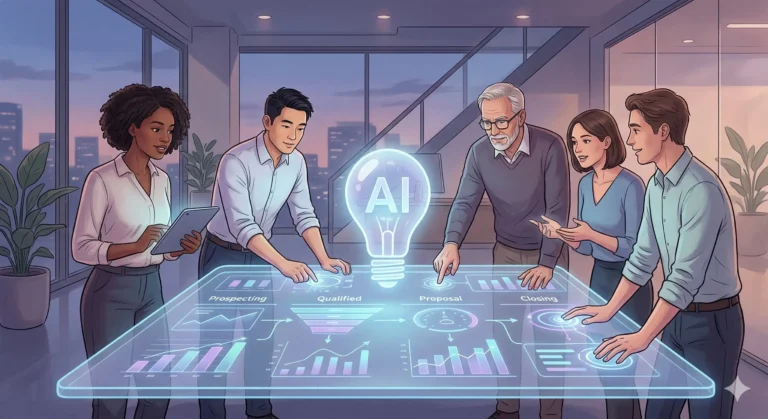
Artificial Intelligence has emerged as the bridge between large-scale outreach and deep, individual connection. It allows sales teams to treat every lead like a VIP without needing a thousand employees.
In this guide, we will explore how AI can help you craft sales messages that resonate, build trust, and ultimately drive higher conversion rates through the power of data-driven personalization.
The Shift from Generic to Hyper-Personalized
The traditional ‘spray and pray’ method of sales is fading. When you send the same message to five hundred people, you are essentially gambling that a few might find it relevant by sheer luck.
AI changes the game by analyzing behavior. Instead of guessing, the technology looks at past purchases, browsing history, and even social media activity to determine what a customer actually needs.
Think of it like a local shopkeeper who remembers your favorite coffee. AI provides that same level of familiarity but applies it to thousands of digital interactions simultaneously.
Why Personalization Matters Now More Than Ever
Our inboxes are more crowded than they have ever been. A typical professional might receive over a hundred emails a day, most of which are automated noise that gets filtered out.
When a message feels tailor-made, it stops the scroll. It signals to the recipient that you have done your homework and that you value their time enough to provide a specific solution.
For example, instead of saying ‘We help businesses grow,’ AI might suggest: ‘I noticed your SaaS platform recently expanded to Europe; here is how we can help with your specific localization needs.’
How AI Analyzes Customer Data for Sales
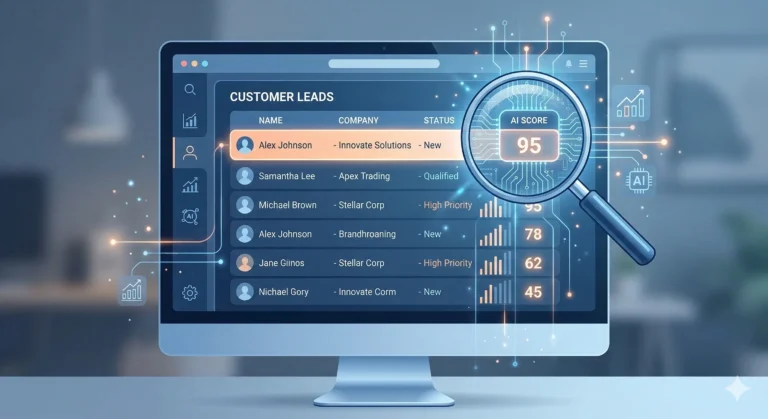
The foundation of any AI-driven sales strategy is data. AI tools pull information from your CRM, website analytics, and public profiles to create a holistic view of the prospect.
Natural Language Processing (NLP) allows these tools to ‘read’ a prospect’s recent LinkedIn posts or company news to find a relevant ‘hook’ for the opening line of an email.
This goes beyond basic facts. AI can detect sentiment and tone, helping sales reps understand if a prospect is currently in a ‘problem-solving’ phase or a ‘budget-conscious’ phase.
| Personalization Level | Traditional Method | AI-Enhanced Method |
|---|---|---|
| Greeting | Static First Name | Contextual Reference (e.g., “Congrats on the award”) |
| Product Suggestion | Best Sellers | Based on specific browsing behavior and intent |
| Timing | Scheduled Blast | Predictive ‘Best Time to Send’ for that individual |
Predictive Analytics in Sales Messaging
AI doesn’t just look at what happened; it predicts what might happen next. By identifying patterns, it can tell you which leads are most likely to respond to a specific type of offer.
If the data shows that similar customers usually upgrade their service after six months, the AI can trigger a personalized ‘anniversary’ message with a discount for that specific upgrade.
This takes the guesswork out of the sales cycle. You are no longer checking in ‘just because,’ but rather reaching out exactly when the customer is ready to take the next step.
Crafting the Message: AI as a Writing Partner
Generative AI tools like ChatGPT or specialized sales platforms can act as a first-draft engine. They take the raw data and turn it into a cohesive, friendly narrative.
However, the key is collaboration. AI provides the structure and the personalized facts, while the human salesperson adds the nuance, empathy, and final polish.
A small example: AI identifies that a lead likes sustainable tech. It drafts a message highlighting your green initiatives. You then add a quick personal note about a shared interest.
Optimizing Subject Lines and Calls to Action
The subject line is the gatekeeper. AI can A/B test hundreds of variations in real-time to see which phrases get the highest open rates for specific demographic groups.
It can also refine the ‘Call to Action’ (CTA). Instead of a generic ‘Book a meeting,’ it might suggest ‘See how [Company Name] solved this specific issue in our 5-minute video.’
By constantly learning from what works and what doesn’t, the AI ensures that your messaging strategy is always evolving and never becomes stagnant or outdated.
Insight: The ‘Human-in-the-Loop’ model is essential. Use AI to gather the facts and draft the core message, but always review it to ensure it sounds like a real conversation, not a robot.
Overcoming Common Challenges
One of the biggest hurdles is maintaining a natural tone. If an AI uses too many technical details or pulls in random facts without context, the message can feel ‘creepy’ or clinical.
To avoid this, set strict brand voice guidelines within your AI tools. Tell the AI to be ‘warm and professional’ rather than ‘aggressive and sales-heavy.’
Another challenge is data privacy. Always ensure your AI tools are compliant with regulations like GDPR, and never use sensitive personal data in a way that feels intrusive.
The Importance of Clean Data
AI is only as good as the information you give it. If your CRM is filled with outdated titles and old email addresses, the AI will generate ‘personalized’ messages for the wrong people.
Regularly cleaning your database is the most important ‘manual’ task in an automated sales world. Accurate data leads to accurate AI insights, which leads to better sales.
Consider using AI-based data cleansing tools that automatically update job titles and company changes to keep your outreach efforts as fresh as possible.
Measuring the Success of AI Personalization
To know if your AI efforts are working, you need to look beyond just ‘open rates.’ Focus on ‘positive reply rates’ and ‘meeting conversion rates.’
Analyze how the AI-driven segments perform compared to your old manual outreach. Usually, you will see a decrease in volume but a significant increase in the quality of conversations.
Success in modern sales isn’t about how many people you reach; it’s about how many people actually felt compelled to reply because you spoke directly to them.
Conclusion
Using AI to personalize sales messages is no longer a futuristic concept—it is a competitive necessity. It allows you to scale human-centric selling in a way that was previously impossible.
By combining deep data analysis with creative writing and predictive timing, you can create a sales engine that respects the customer’s journey and provides genuine value.
Start small by using AI to personalize your email subject lines or opening hooks. As you see the results, you can expand into full-scale predictive outreach and automated workflows.
Ultimately, the goal of AI in sales is to remove the ‘noise’ and help you get back to what really matters: building lasting relationships with your customers.