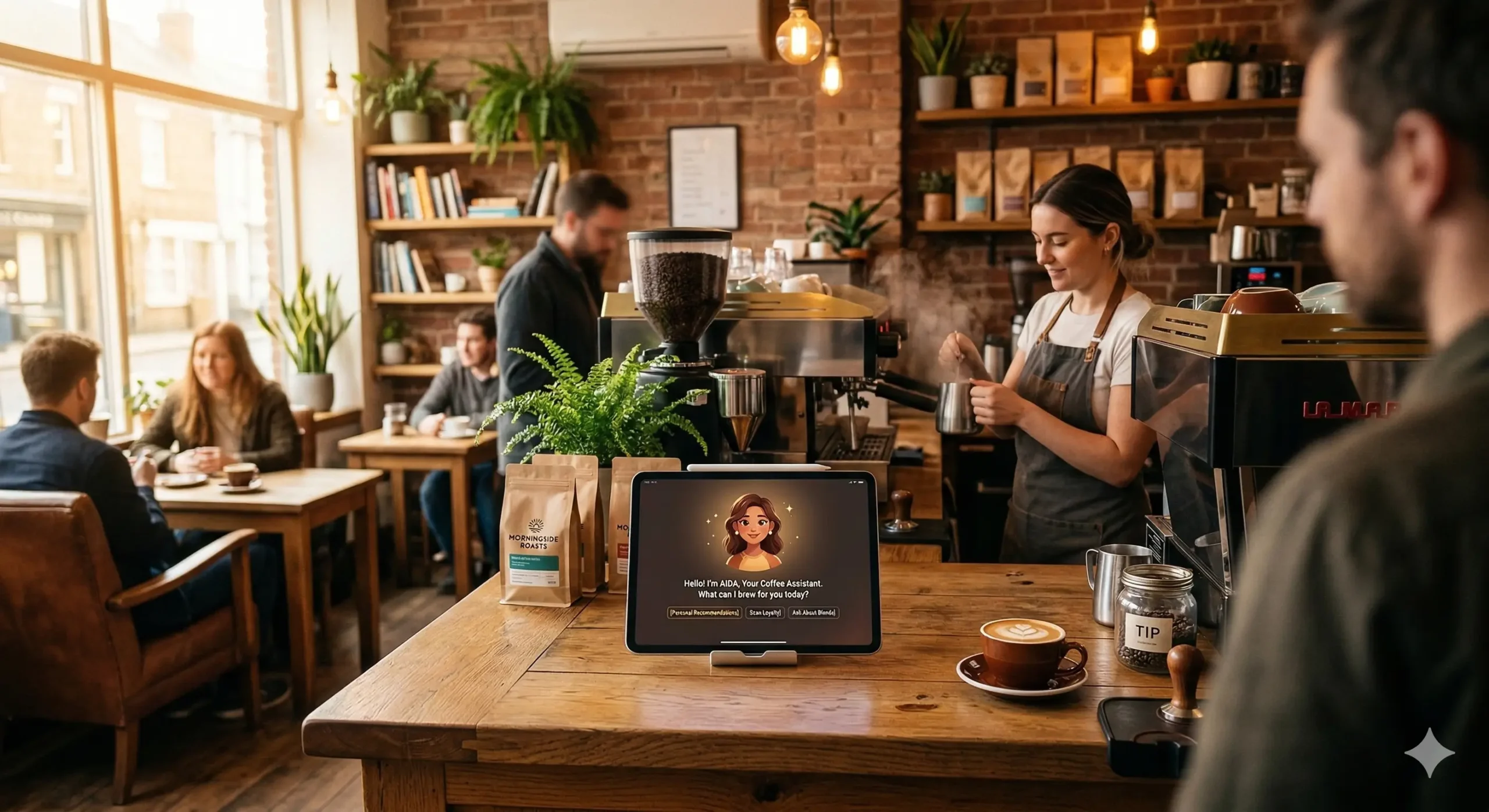
The New Standard for Local Service
For decades, local businesses relied solely on a friendly handshake and a smile to ensure customer satisfaction. While these personal touches still matter, modern consumers now expect speed and digital convenience alongside that neighborly feel.
Artificial Intelligence (AI) has emerged as a powerful ally for the storefronts on Main Street. By automating repetitive tasks, AI allows business owners to focus more on the human element while ensuring no customer query goes unanswered.
In this guide, we will explore the specific AI tools that are helping local businesses bridge the gap between traditional service and modern expectations, ultimately leading to happier, more loyal customers.
24/7 Support with Intelligent Chatbots
One of the biggest frustrations for customers is waiting for an answer. Whether it is a question about holiday hours or a specific service price, a delay often leads to a lost opportunity. AI chatbots provide an immediate solution.
Unlike the rigid, frustrating bots of the past, today’s AI-driven assistants use natural language processing to understand intent. For a local hair salon, an AI bot can handle booking requests and answer common FAQs at 11:00 PM when the staff is long gone.
This accessibility creates a sense of reliability. When a customer knows they can get an answer instantly, their trust in the business grows. It transforms the digital experience from a static website into a helpful, interactive storefront.
Personalizing the Customer Journey
Personalization is no longer reserved for retail giants with massive budgets. AI tools can now analyze local customer data to provide tailored recommendations that make people feel seen and valued.
For example, a local pet supply store can use AI-driven email marketing to send a reminder to a customer when their specific brand of dog food is likely running low. This predictive service saves the customer time and effort.
By using these tools, a business moves from being a simple vendor to a proactive partner. These small, thoughtful interactions are the building blocks of high customer satisfaction and long-term retention in a competitive local market.
Streamlining Operations with AI Scheduling
Appointment-based businesses, such as dentists or mechanics, often struggle with the back-and-forth of scheduling. AI-powered booking systems eliminate this friction by syncing in real-time and offering smart reminders.
These systems can even predict high-traffic times and suggest optimal staffing levels. For the customer, it means a smoother check-in process and significantly less time spent in a waiting room, which is a major driver of positive reviews.
When the logistical hurdles are cleared by technology, the actual service shines brighter. A mechanic who isn’t bogged down by answering phones can spend more time explaining repairs clearly to the vehicle owner.
Managing Reputation and Feedback
Reviews are the lifeblood of local SEO and customer trust. AI sentiment analysis tools help business owners monitor what is being said about them across the web without spending hours scrolling through sites.
These tools can highlight common themes in feedback—such as a specific menu item that is consistently praised or a recurring complaint about wait times. This allows the owner to make data-driven improvements quickly.
Furthermore, AI can assist in drafting professional, empathetic responses to reviews. Responding to feedback, both positive and negative, shows the community that the business cares about their experience and is committed to constant improvement.
Key Statistics on AI and Customer Experience
- Over 60% of consumers prefer automated tools for simple inquiries due to the speed of response.
- Businesses using AI for customer engagement see an average 25% increase in customer retention rates.
- Personalized recommendations driven by AI can boost local sales conversions by up to 15%.
The Human-AI Balance
It is important to remember that AI should enhance, not replace, the local business experience. The goal is to use technology to handle the “robotic” tasks so that humans can be more human.
When a local bookstore uses AI to manage its inventory and suggest titles, the owner has more time to host community book clubs. The technology provides the efficiency, while the staff provides the soul of the business.
Finding this balance is the secret to modern customer satisfaction. It combines the lightning-fast response times of a digital platform with the genuine care of a neighborhood institution.
Implementation Notes
- Integration: Look for AI tools that integrate directly with your existing POS or CRM systems to avoid data silos.
- Transparency: Be honest with customers when they are interacting with an AI bot; they value the honesty and the speed.
- Training: Regularly update your AI models with new product info or service changes to ensure accuracy.
The Path Forward for Local Brands
Adopting AI is no longer a futuristic concept—it is a practical necessity for local businesses that want to thrive. These tools level the playing field, allowing small shops to offer a level of service that rivals major corporations.
By focusing on tools that improve communication, personalization, and operational efficiency, you are investing in your most valuable asset: customer happiness. The result is a more resilient business built on a foundation of modern excellence.
As you begin your journey with AI, remember to start small and focus on the areas where your customers feel the most friction. Each small improvement adds up to a significantly better overall experience.